I was SO surprised by the Kosovan capital of Pristina. I’d not known many people who’d visited, aside from my partner who is fascinated by all things geopolitical. Pristina certainly is geopolitical – but it is so much more. I only had one day here between transport links around the Balkans, but I wish I’d spent much more time!
There are so many interesting things to do in Pristina, from exploring its Ottoman-era mosques to visiting the National Library (sometimes called “the ugliest building in Europe”!). But what I loved about Pristina most was the atmosphere; it feels very chilled out, with plenty of unassuming restaurants and bars. When I visited in June, the sun was shining, the people were friendly and the city felt inviting!
About Pristina
I think it’s appropriate to give you some context about the Kosovan capital before we dive into the best activities and attractions in Pristina.
Pristina is a much older city than the nation of Kosovo (of which independence was declared in February 2008). In fact, there have been people residing in this area for 4,000 years, and Roman ruins called Ulpiana have been discovered close by.
In the Medieval era, it became a prosperous Serbian trading city; then the Ottomans arrived in 1455. This defined historic and modern Pristina; among its mosques, I found one that was constructed by Sultan Mehmed the Conqueror, the same Sultan who oversaw the fall of Constantinople!
The Ottomans left Kosovo by 1913, and Yugoslavia was founded a few years later. Along with the rest of Yugoslavia, Kosovo experienced a more liberal form of communism than the Eastern Bloc; although it was still ruled by dictator, Tito.
When Yugoslavia broke up, there were brutal wars of independence. The Kosovo War in 1999 was amongst one of the most horrific, with crimes against humanity committed against ethnic Kosovan Albanians (an extremist group, the KLA, also killed and abducted Serbian and other civilians).
In 2008, Kosovo declared independence, and increasing numbers of nations around the world have recognised it as a country. To this date, 121 out of 193 UN states have recognised Kosovo.
Things to do in Pristina
There are so many things to see in Pristina – it’ s one reason why Kosovo is well worth visiting! Here’s what I checked off on a walk around the city…
1. Mother Theresa Square
Sitting right in the city centre, Mother Theresa Square was the first place I went to when I arrived in Kosovo!
Named – as you might guess – after Mother Teresa (who was born in Skopje, although her parents were from Kosovo!) – this pedestrian square is often the setting for events and concerts. The Mother Teresa Boulevard (Bulevardi Nënë Tereza) runs from the square, and is lined with restaurants. I went to Margo on my second evening in the city and had a delicious tomato veggie pasta with a dry white wine.
This was also where my walking tour began on my first morning in the city.
2. Imperial Mosque
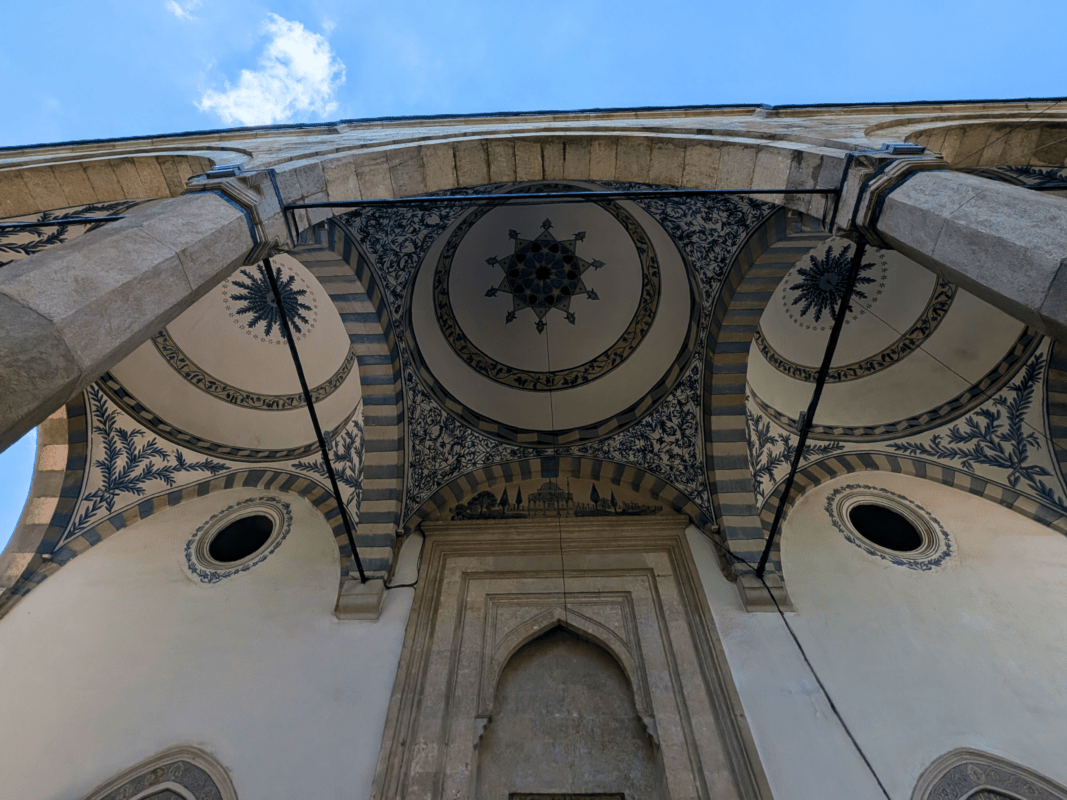
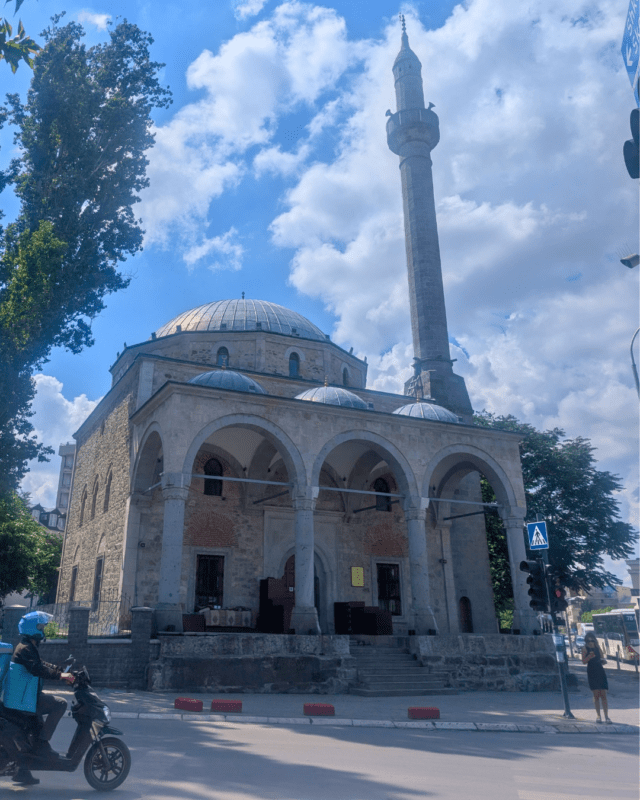
I’m a sucker for an interesting mosque, and Pristina certainly delivered. The Imperial Mosque was built under Mehmed the Conqueror – i.e. Mehmed who took Constantinople (now Istanbul!) all the way back in 1461!
It sits in a leafy courtyard, with an ablution fountain in the middle. Tourists can enter outside of prayer times, but I just admired the outside as I didn’t have a headscarf (it’s essential to cover your hair when visiting mosques in Kosovo).
3. The Hamman
This was an Ottoman public bath that was used all the way up until 1960. Since then, it’s sat in a fairly ruinous state (definitely no bathing to be had here!).
While I was there, I read that apparently the hamman was ordered to be made so all the workers on the mosque could have a daily bath. I imagine, in Kosovo’s sweltering summers, a daily bath was much appreciated!
It’s just a quick stop while at the Imperial Mosque; I peeked into the window and saw a derelict interior.
4. The Clock Tower
This is also a quick stop by the Imperial Mosque. It was constructed in the 19th century by Jashar Pasha as a way to let shopworkers know how close they were to the next call to prayer. Nowadays, it’s a listed monument.
5. Grand Hotel Prishtina
You can stay at the Grand Hotel in Prishtina, but I don’t think I’d recommend it!
It was the swankiest hotel in the city back in Tito’s day, and was where the leader stayed on his trips to the city.
But these days, its reviews have gone slightly downhill – the New York Times alludes to rooms infested with cockroaches, and a TripAdvisor review states they were charged 200€ for a vodka orange juice!
I decided not to linger too much thanks to these reviews, but popped my head in – it has very retro, brutalist interior and exterior, theme which – from the photos on TripAdvisor – seems to continue to the bedroom!
6. Mother Teresa Cathedral
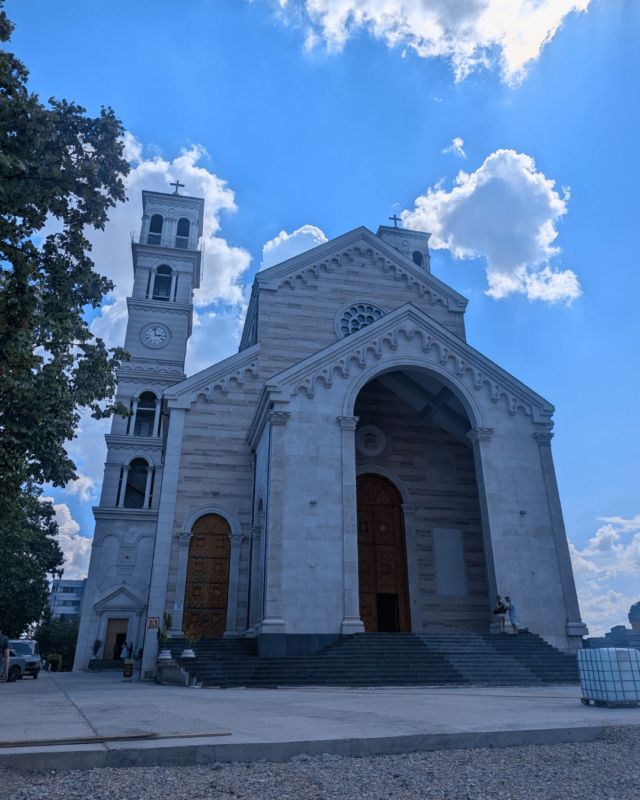
The Mother Teresa Cathedral was constructed from 2005-2010. It’s a Catholic Cathedral, and although I heard some comments about the size of it compared to the size of the Catholic population of Kosovo (it’s quite imposing!), most locals I spoke to agreed it was worth checking out.
I popped into the church, where there was some sort of ceremony going on; because of this, I didn’t stay and pry too much! Also due to this (I presume), the towers were closed. It had been highly recommended to me to take the elevator to the top of one of the towers for a birds eye view over the city, so I was a bit gutted I missed out on this!
7. National Library of Kosovo
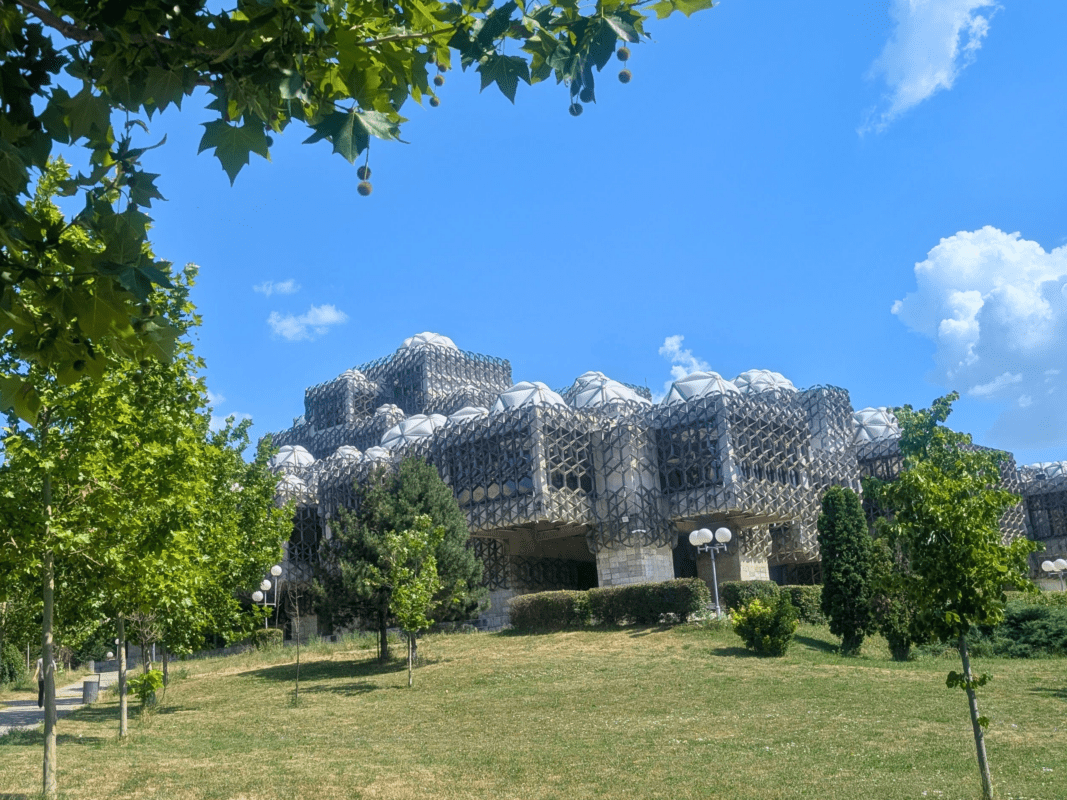
The National Library of Kosovo has often been called the “ugliest building” in Europe – or even the world!
It was constructed in the 1970s, as part of the newly established University of Prishtina, and was supposed to take inspiration from Kosovo’s varied historical eras, including Byzantine, Ottoman and Communist, as well as Balkan ethnic architecture.
The brutalism continues inside, where tourists are invited to explore the entire building. And outside, I found a curious sculpture made up of TV antennas!
8. Unfinished Serbian Orthodox Church
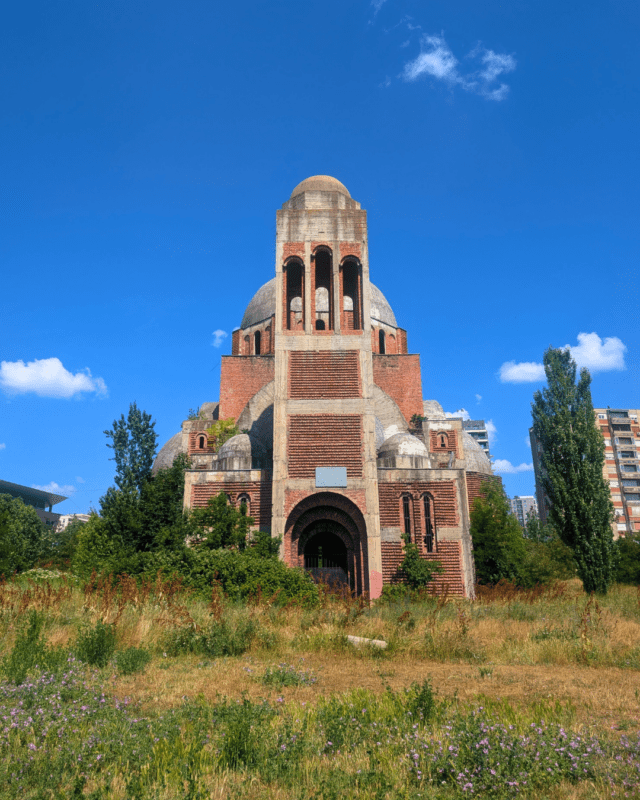
Across from the library, there’s an unfinished Serbian Orthodox Church. Construction on this began in the 1990s, but it was unfinished after the war broke out. To this day it remains unused, although the redevelopment has been discussed – some students favour it turning into a nightclub.
I wasn’t able to enter or even get that close to it (the surroundings are quite overgrown), but took some photos of the outside!
9. Newborn Monument
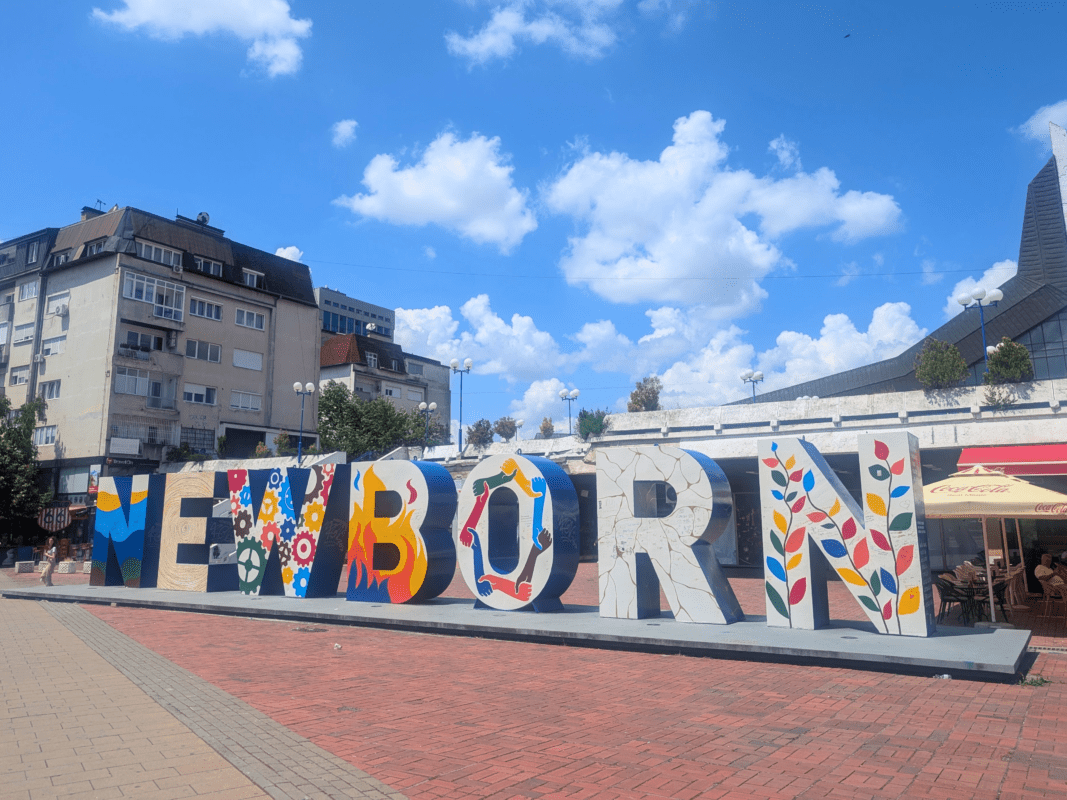
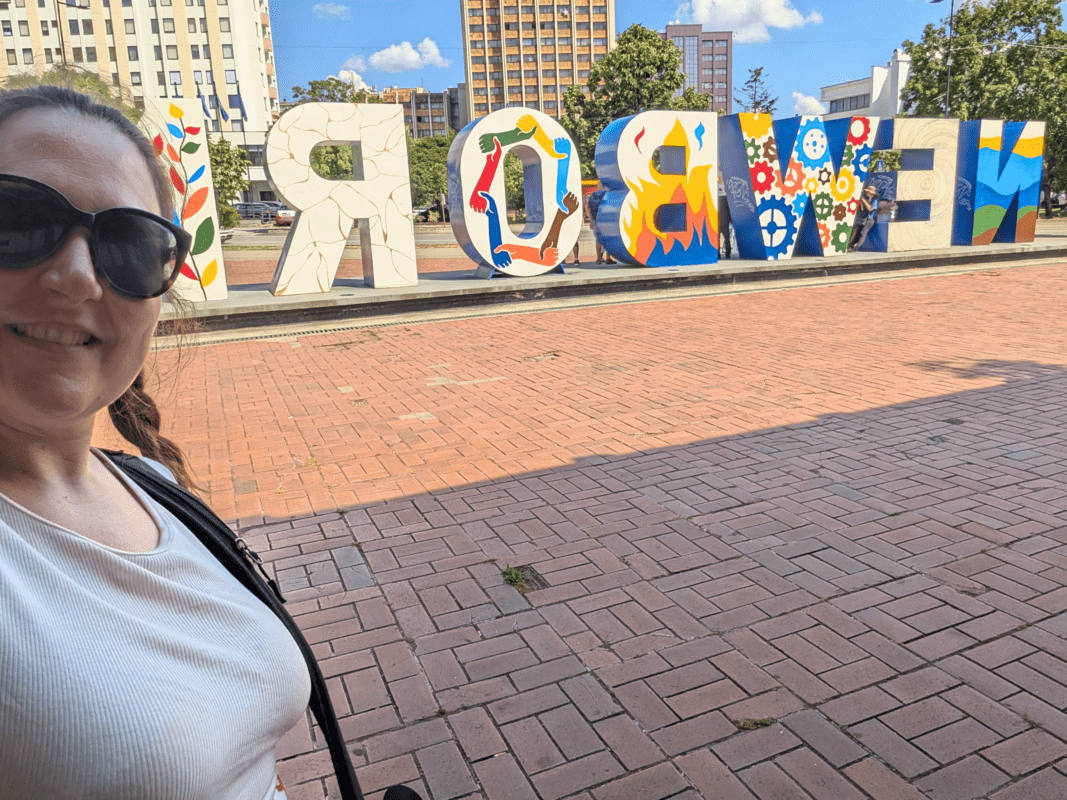
This structure – seven letters spelling out the word NEWBORN – was unveiled on Kosovo’s Independence Day in 2008. I was able to walk right up to the monument to take some photos and reflect on what Independence Day means to Kosovans!
10. Dua Lipa Mural
And from the Newborn Monument, there’s a mural to Dua Lipa! She was born in the UK to Kosovan parents, who had become refugees during the war. She still returns for concerts!
Where to eat in Pristina
As I was in Pristina for two evenings, I sampled a few restaurants. These were all very affordable – see more Kosovo travel costs here.
1. Pizzeria Napoli Vero
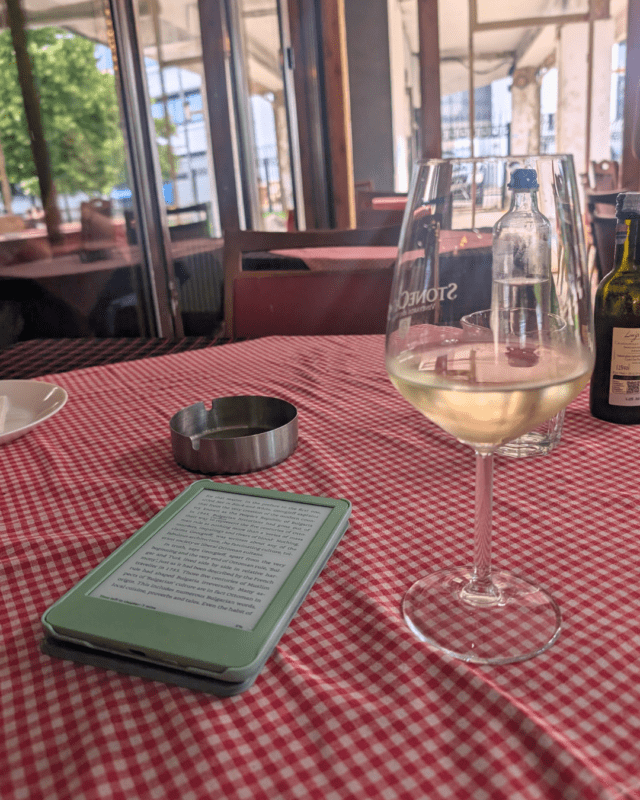
I headed here as soon as I arrived in Pristina – its Google reviews promised good pizza and it didn’t disappoint! I had the vegetable pizza and two glasses of wine (which was Italian – unfortuantley they didn’t have Kosovan wine!). The waiter was lovely and didn’t mind me sitting, reading my book and taking in the atmosphere.
2. Margo
This restaurant is on Mother Teresa Boulevard – as I mentioned, I ate here on the second day. I had more wine and vegetable pasta.
3. Matcha Coffee and Eatery
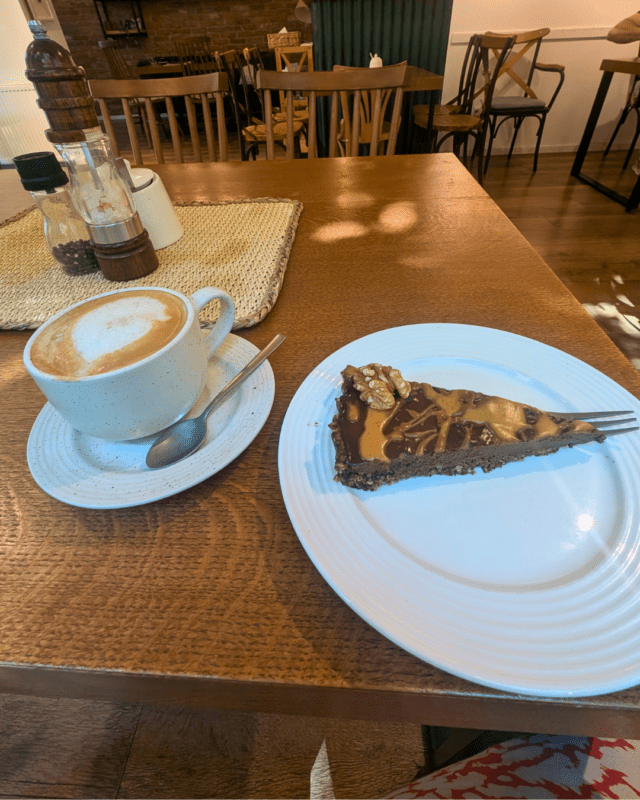
I was really pleased to find this cafe in the morning, as they sold almond milk (I don’t have dairy). I had an almond cappuccino and a chocolate and peanut butter cake.
4. Pasta Fasta
This is a chain fast food pasta restaurant. I didn’t eat at the Pristina branch but tried it in Peja. For the price (around three euro), it’s good, filling pasta!
5. Jana Napoletana Pizza
I actually tried to visit this pizzeria first, before I went to Napoli Vero, but it was closed. The pizza here looks incredible too – proper Italian-style! I think a few people from Kosovo migrated to Italy and returned, which explains the abundance of excellent pizza restaurants here.
6. Baba Ganoush Meze
This was another restaurant I wanted to eat at, but was shut when I arrived! It looked like good Middle Eastern food – I satisfied my Levantine cuisine craving when I got to Sarajevo instead!
I’m aware that none of this food is Kosovan – as I’m vegetarian, local food isn’t always my priority when I travel. I prefer to find restaurants with a good atmosphere or in interesting locations! There will be plenty of other sites recommending local dishes, however!
Practical Tips for Visiting Pristina
- Don’t film or take photos outside government buildings! I made this mistake and filmed a segment outside the EU office. This was silly of me and I should have known better, luckily I just got told to move on!
- There’s WiFi in Mother Teresa Square which worked well for me when I needed to look something up quickly.
- Cards are accepted widely in Pristina, but I would recommend having some Euros in cash. You can withdraw this with international cards if needed. I used my Monzo card – if you’re UK based and are new to Monzo, click here to sign up and get a free tenner!
- English – or at least basic English – is fairly widely spoken in Pristina, and people are generally very friendly!
- I had some difficulties with getting data. I couldn’t buy an eSIM and the add-on package I purchased for data in Kosovo didn’t work. If this remains the case for other travellers, it shouldn’t be too much of an issue in Pristina as WiFi isn’t abundant, but might pose a problem in more rural parts of the country!
Where to Stay
I wanted to save a bit of money, so booked a private room at Prishtina Center Hostel. I had a large room overlooking Mother Teresa Square, with strong AC and a comfy bed. Bathroom facilities were shared with one other room. I paid around £20 per night; you can check out the listing here.
If I’d had a slightly higher budget, I’d have stayed at Grand Boutique Hotel (not the Grand Hotel we spoke about earlier!). Rates are around £70, so won’t break the bank (especially if you’re travelling as a couple!). Rooms here are sleek and cosy and the breakfast is really highly rated. Click here to read more about it.
If I fancied a treat, I’d look at Hotel MANAMI, which I walked past when I was around Mother Teresa Square – it’s right in the heart of all the action! The rooms here look so fancy – they’re modern, with rain showers and roll top baths, plus it has a large 24 reception that promises five-star service. Click here to read more about it.
Getting to Pristina
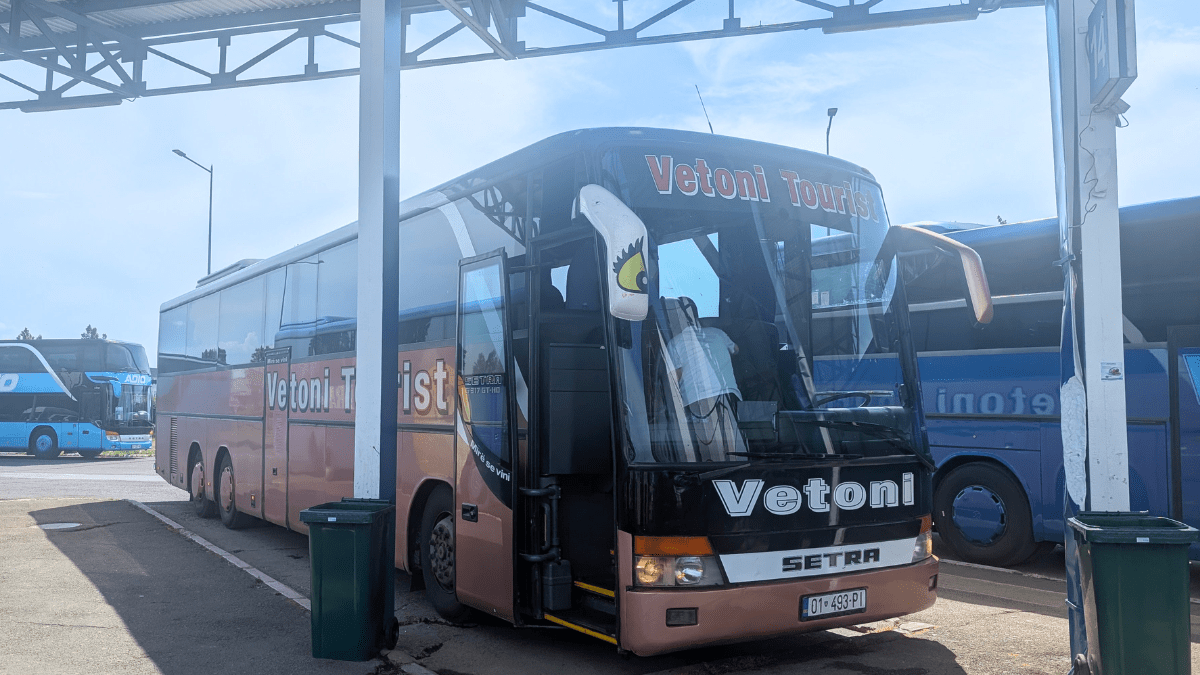
Getting to Pristina was a lot easier than I originally thought!
I took a bus from Podgorica in Montenegro. You can read more about the bus journey here, or see my YouTube video here, but essentially it was an eight-hour journey crossing into Albania – a bit long, but not complicated! I booked with Girafa Travel.
You can also take buses to Skopje in Macedonia, Tirana, Shkoder and Saranda in Albania and Belgrade in Serbia.
The only thing to be mindful of is, if you enter Kosovo from Montenegro, Albania or North Macedonia (the other countries it borders), you cannot exit into Serbia. This is because Serbia considers you as entering their country illegally.
I wanted to go to Bosnia and Herzegovina after Kosovo, so I had to backtrack to Podgorica, and then travel north to Sarajevo. That said, to leave Pristina I took the Pristina to Peja train, which is Kosovo’s last railway iine!
Pristina Airport also offers direct flights to many European countries, including the UK.
FAQs
Is Pristina safe to visit?
I felt very safe in Pristina as a solo female traveller. There are low rates of violent crime and the country has been stable since the war ended in 1999. As always, use normal precautions with belongings in busy areas. Be mindful when talking about Kosovo’s political status, too.
Do I need a visa for Kosovo?
Citizens of the EU and Schengen countries can enter Kosovo without a visa, and citizens of the US, UK, and Canada can visit visa-free for up to 90 days. Rules vary by nationality and do change, so it’s worth checking Kosovo’s official visa requirements for your specific passport before you travel.
Is Kosovo part of the EU?
No, Kosovo is not an EU member, though it uses the euro unilaterally and has close ties with the bloc. Its path to membership is complicated by the fact that several EU countries, including Spain, don’t recognise it as an independent state at all. This is generally considered a prerequisite for formal accession talks.
What language is spoken in Pristina?
Albanian is the main language spoken in Pristina and across Kosovo, with Serbian also an official language nationally. English is widely spoken in the capital, especially among younger people, so it’s easy to get by without speaking Albanian.
