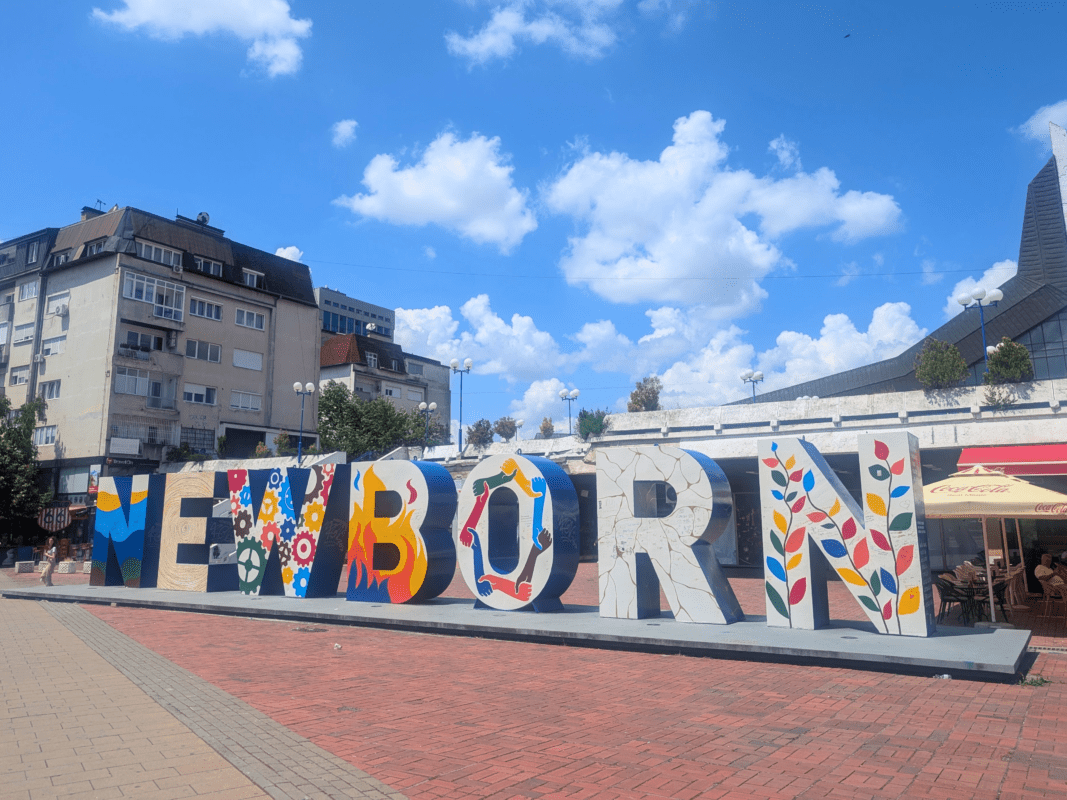
I recently spent a few days in Kosovo, and I think it’s an underrated country that is well worth visiting. It has beautiful mountainous scenery, friendly people and an interesting history – that it’s often had to fight very hard for.
Kosovo is little-visited by non-Balkan travellers, but it’s actually very easy to reach and I found it extremely welcoming when I was there. That said, there are a few things to consider, and it might not appeal to all types of traveller. So if you’re wondering “is Kosovo worth visiting”, here’s my honest assessment!
Is Kosovo worth visiting?
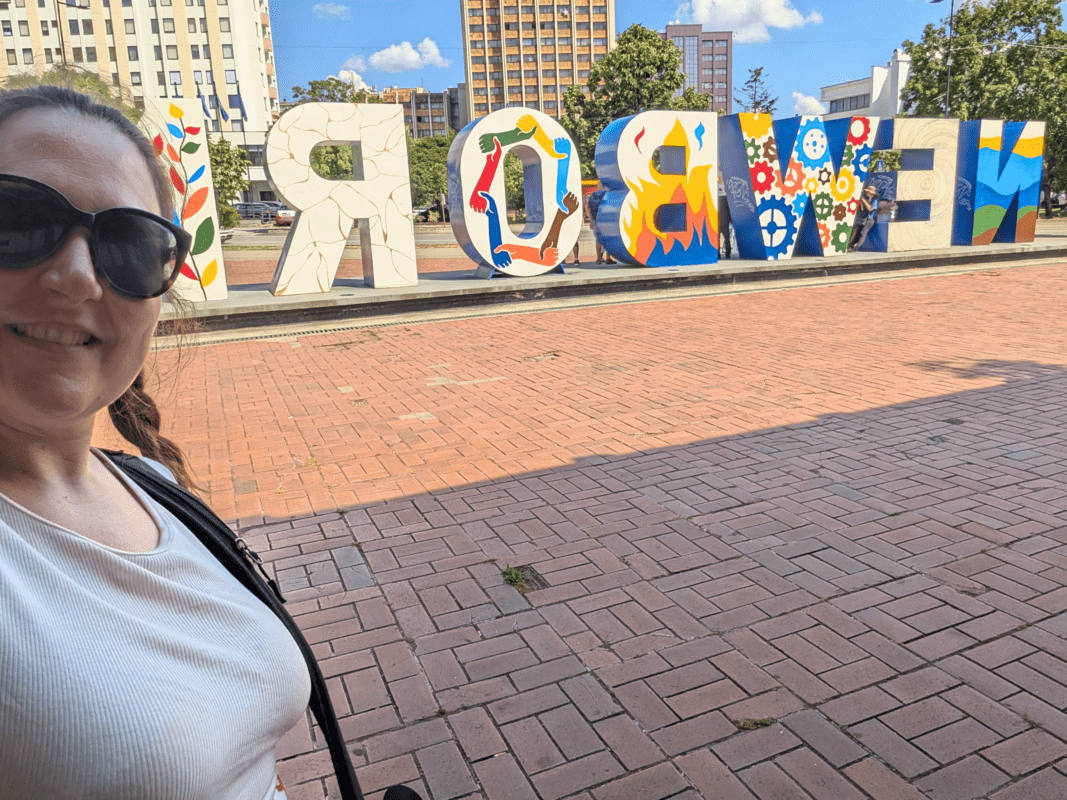
In general, I would say yes, especially if you’re interested in under-the-radar places. There’s a lot of history to uncover in Kosovo (much of it very recent); it’s also home to beautiful moutains in the north, and the cultural capital of Prizren.
It’s less suitable if you want somewhere with tonnes of attractions and that’s very easy to travel around.
Reasons to visit Kosovo
Loads of history – which is very important to learn
The main reason I wanted to go to Kosovo was to learn about its independence history. I knew embarrassingly little about the Kosovan War and its declaration of independence in 2008 (despite being 15 at the time!), and I wanted to educate myself. And I’ve always found that the best way to learn about somewhere is to visit it!
I learned lots about Pristina’s history on this walking tour, which I highly recommend. They also have a walking tour in Prizren. These tours operate on a tip basis (I tipped €10). There are also a few museums in Pristina, but the main one was unfortunately closed when I was there!
There are more things to do in Pristina here.
I also found it a lot easier to take in information I read online, or through some books about the Balkans (I read Tim Marshall’s Shadowplay while I was there – click here to see it), while I was actually in the country.
Interesting architecture and infrastructure
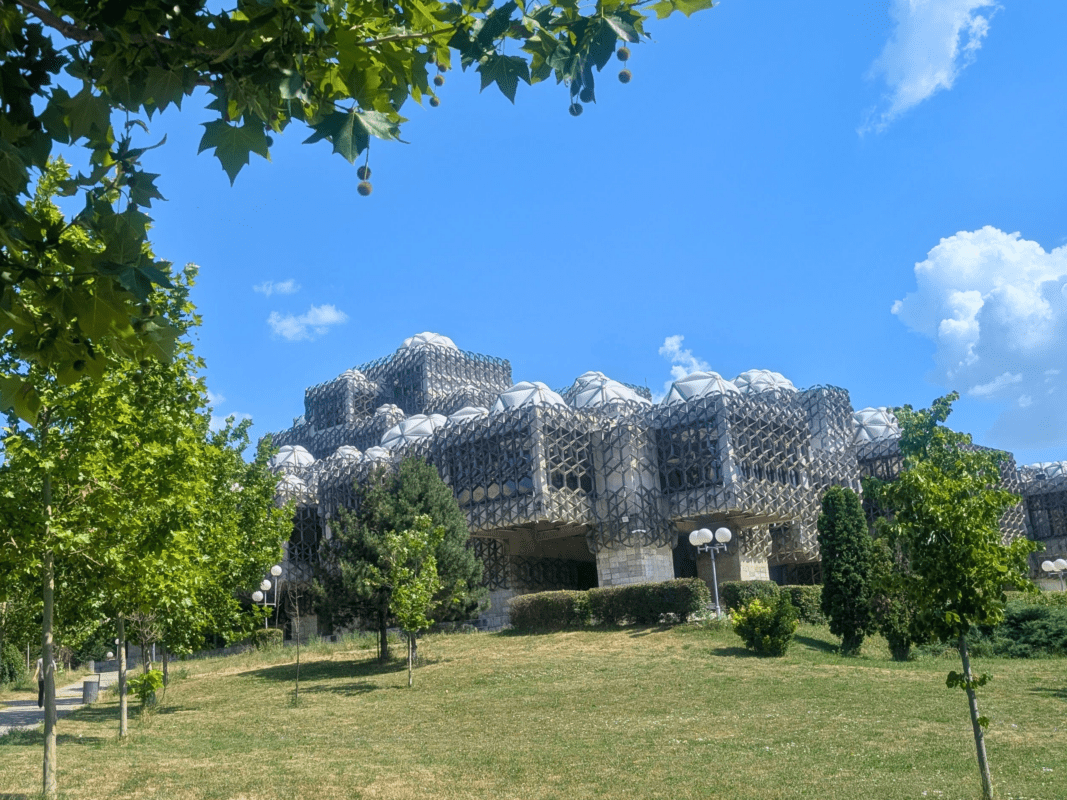
Kosovo was Ottoman for around 500 years, and while it doesn’t quite have the time-capsule feeling that Sarajevo does, there’s an array of architecture that mirrors each of its eras.
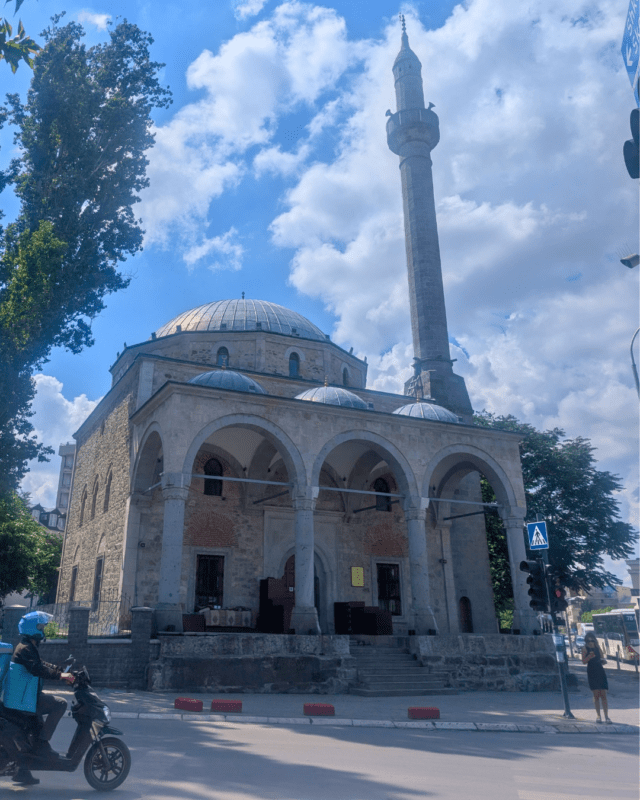
In Pristina, the Imperial Mosque dates back to 1461, and it’s surrounded by a relaxing courtyard and the ruins of a hamman. An Ottoman-era clock tower is there too. There’s the Mother Teresa Catholic Church, and the ruins of a never-used Serbian Orthodox Church.
Then, there’s the Library of Pristina, which was built during the Yugoslavia era but is built to represent Byzantine, Ottoman, Yugoslavic and regional Balkan architecture.
Prizren, which I didn’t make it to, is known as Kosovo’s City of Culture for its intact old city.
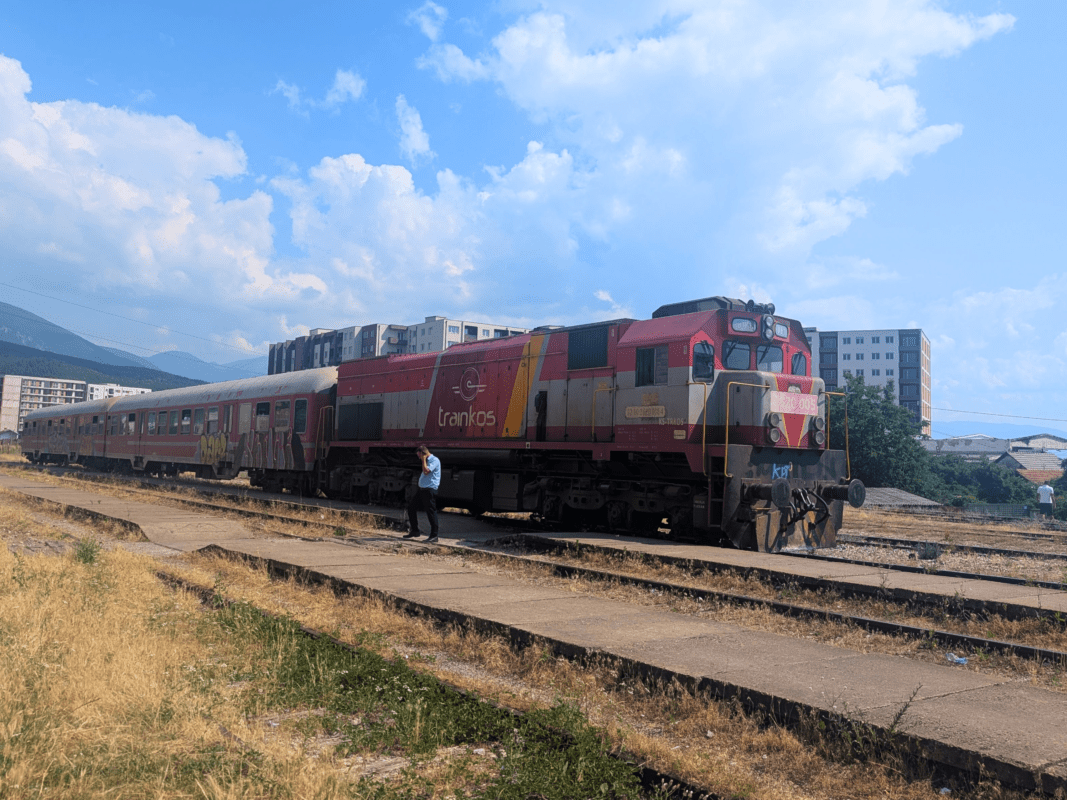
This might be a little niche, but the main reason I wanted to go to Kosovo was to take the Pristina to Peja train, which is the last train route in the country. I loved travelling on the decades-old train, which has survived when so many haven’t! You can see my YouTube video about it below.
Beautiful mountains and hikes
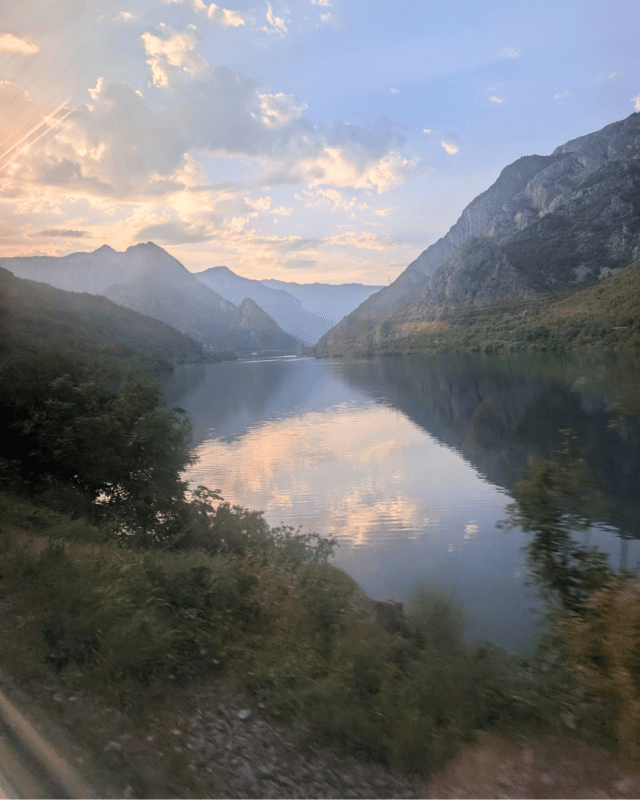
While Kosovo doesn’t have beaches, it has mountains!
The best area to visit for mountains is Peja, where I took the train to. From here, there are caves, canyons and hilly hiking trails; it’s atually part of the Peaks of the Balkans Trail which runs through the Kosovan, Albanian and Montenegrin mountains.
I only saw the edge of these mountains when I was in Peja. I walked along the river to the Patriarche of Peć Monastery, but even from here the views were spellbinding!
It’s very affordable
I spent 2.5 weeks travelling around the Balkans, and Kosovo was the most affordable place.
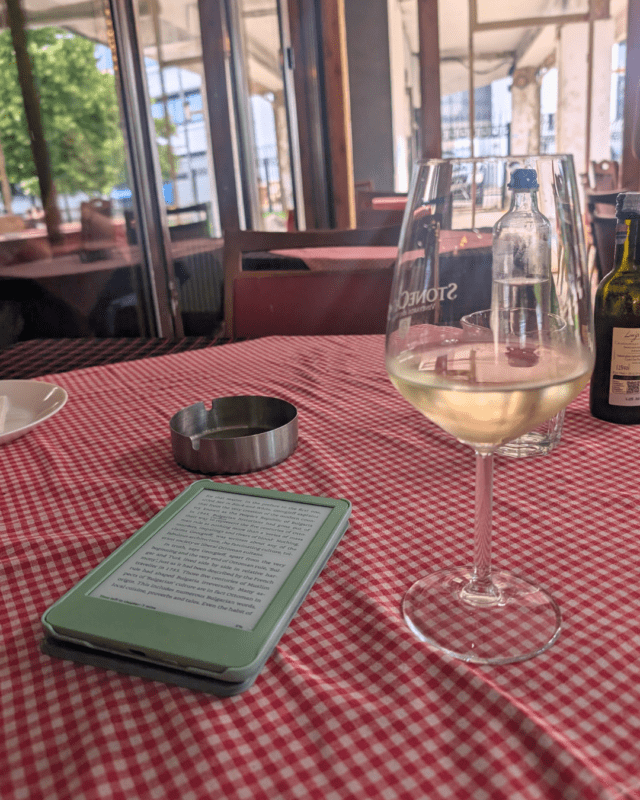
I kept it quite budget; I only ate out once per day (around €11 for a meal with wine) stayed in a private room in a hostel for jutst over €24 a night, only paid for a tip for a walking tour attraction-wise, and took the train from Pristina to Peja for €3!
You can see my full breakdown of what I spent in Kosovo here.
Friendly and welcoming people
Every person I met in Kosovo was very friendly and chatty.
English level in the cities is quite high; lots of Kosovans migrated during the war, and some have returned since, which generally makes the cities feel quite cosmopolitan.
Before I visited Kosovo, people told me to be wary of mentioning the political situation in the country, so I didn’t bring it up, but a few people spoke to me about it freely.
One thing that’s worth mentioning is that if you’re from a country that doesn’t recognise Kosovo, the border staff might look at you twice.
I was on a walking tour with two people from Argentina, who said that they had slightly more scrutinous checks (despite the fact that anyone with a Schengen visa can enter Kosovo). As a Brit, this wasn’t a problem I faced; I found border staff very friendly and jovial.
It’s a lot easier to travel to than people think
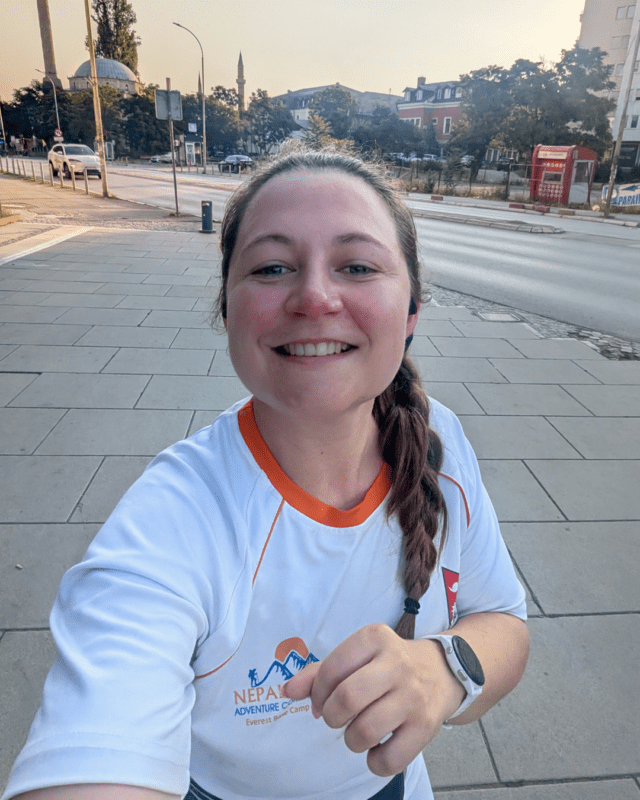
Before visiting Kosovo, I wasn’t too sure how it would all work. I didn’t know what the border was like, whether I’d need to pay in cash when I was there, or how much WiFi there would be.
My worries were completely unfounded, as it was all very easy. Border control was the same as any other Balkan border, WiFi was abundant (even on the streets in Pristina!) and I paid contactless for most things, other than the train, taxi and for a hostel in Peja.
I did keep getting Monzo alerts welcoming me to Thailand, Malaysia and the USA – so I’m not sure what was going on there – but other than that banking was very easy.
Good food scene in the cities
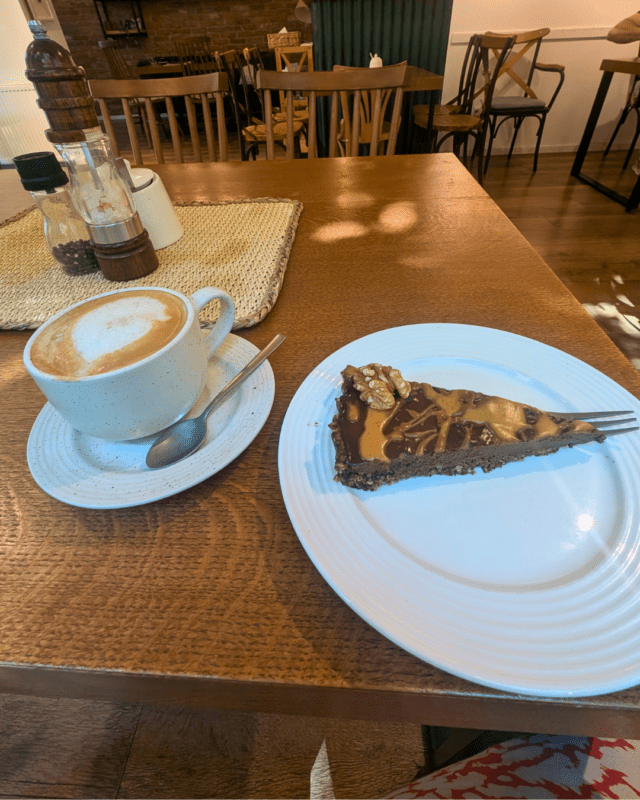
This will horrify some people, but I didn’t try any local Kosovan food – Balkan food in general isn’t the most veggie-friendly!
But I found some lovely places to eat – there are a lot of pasta and pizza places, and I found a wonderful brunch place in Peja (NONA coffee house).
Considerations for visiting Kosovo
Border restrictions
The biggest thing to consider when visiting Kosovo is the Serbian border.
If you enter Kosovo via any land border that’s not Serbia (Montenegro, Albania and North Macedonia border the country), OR fly into Pristina Airport, you cannot exit via Serbia. This is because Serbia consider you to have illegally entered Serbia.
For example, I took a bus from Podgorica to Pristina, which passed through Albania. My next destination was Bosnia and Herzegovina, and I think that my quickest route would have been via Serbia.
But I couldn’t do this; I had to backtrack via Podgorica, and then take a bus from there to Sarajevo.
Transport can be slow
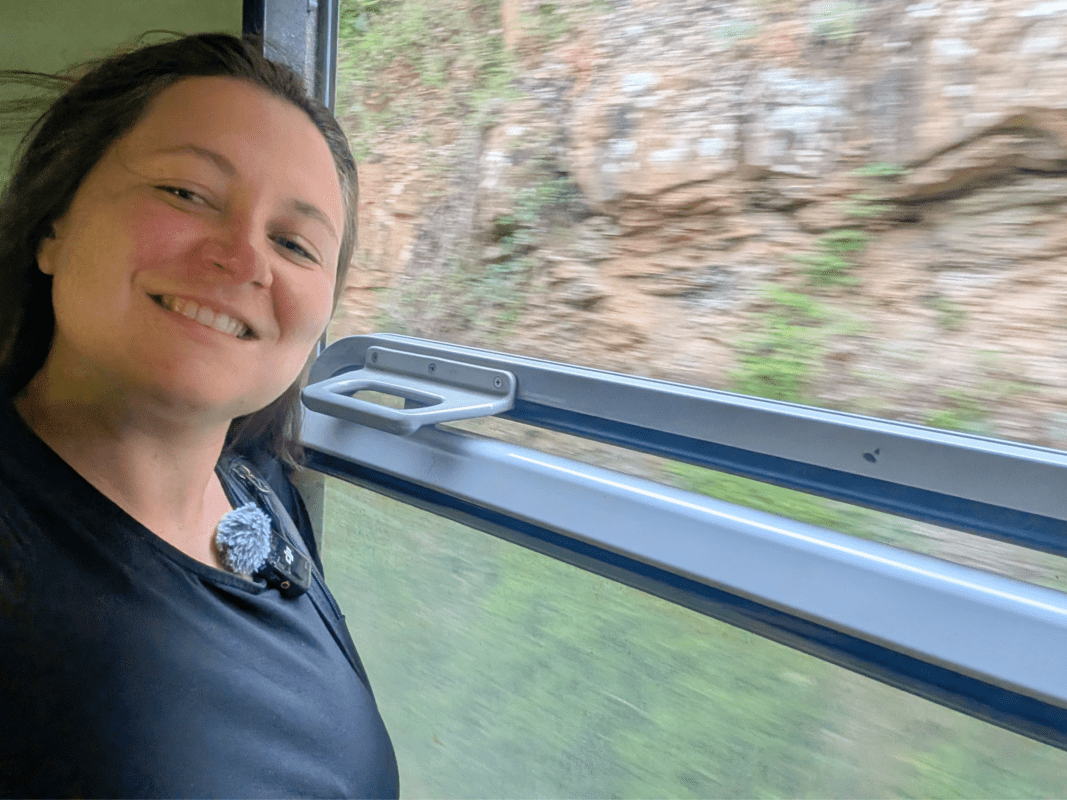
Like many Balkan countries, expect transport to take a while! My train from Pristina to Peja actually ran completely on time.
But it took me eight hours to travel 400km from Podgorica to Pristina, which I didn’t really mind (there was beautiful scenery en route!) and my bus from Peja back to Podgorica was delayed with no information about why.
Data issues
The biggest problem I had in Kosovo was that my data didn’t work.
I had a Holafly Balkans SIM, which I already knew wasn’t going to work, so bought an add-on with Three (my UK network). Despite Three confirming it should work, it didn’t (I’m not sure why!). I made do with WiFi for a few days, but there were a couple of times when I would have liked data.
Not coastal
This isn’t really a reason – nobody criticises Switzerland for being non-coastal, after all – but I do believe it’s a big reason why Montenegro and Albania have seen a big increase in popularity in the last few years.
Kosovo isn’t coastal, and I had a chat with the hostel owner in Peja who credits that to a big reason why fewer tourists visit. But the mountains are there and beautiful!
Attractions are a little more understated
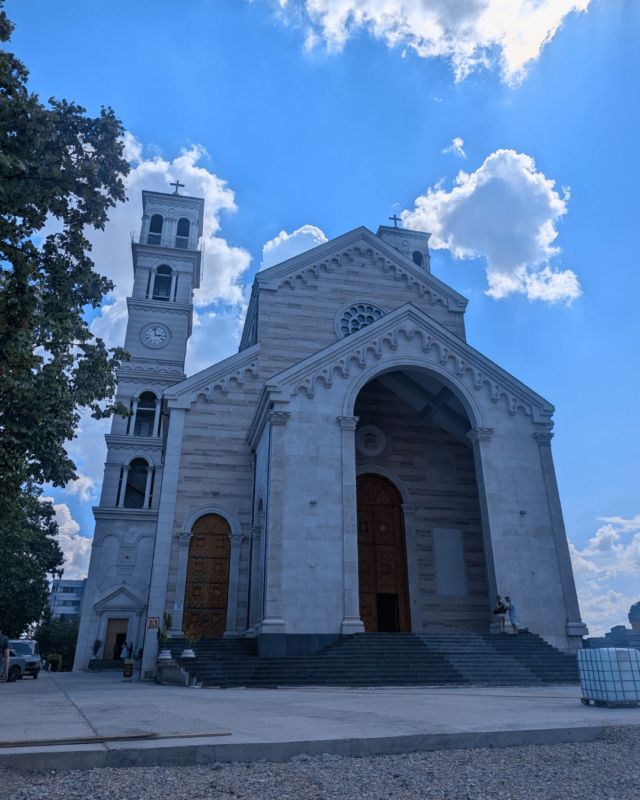
I can’t really think of any huge bucket-list attractions in Kosovo – that said, I wasn’t there for long and I haven’t researched everywhere in the country, so I’d be happy to be corrected!
Instead, it’s somewhere that’s pleasant to be in, grab a coffee and chat to locals. If that’s your vibe, you’ll love Kosovo!
