
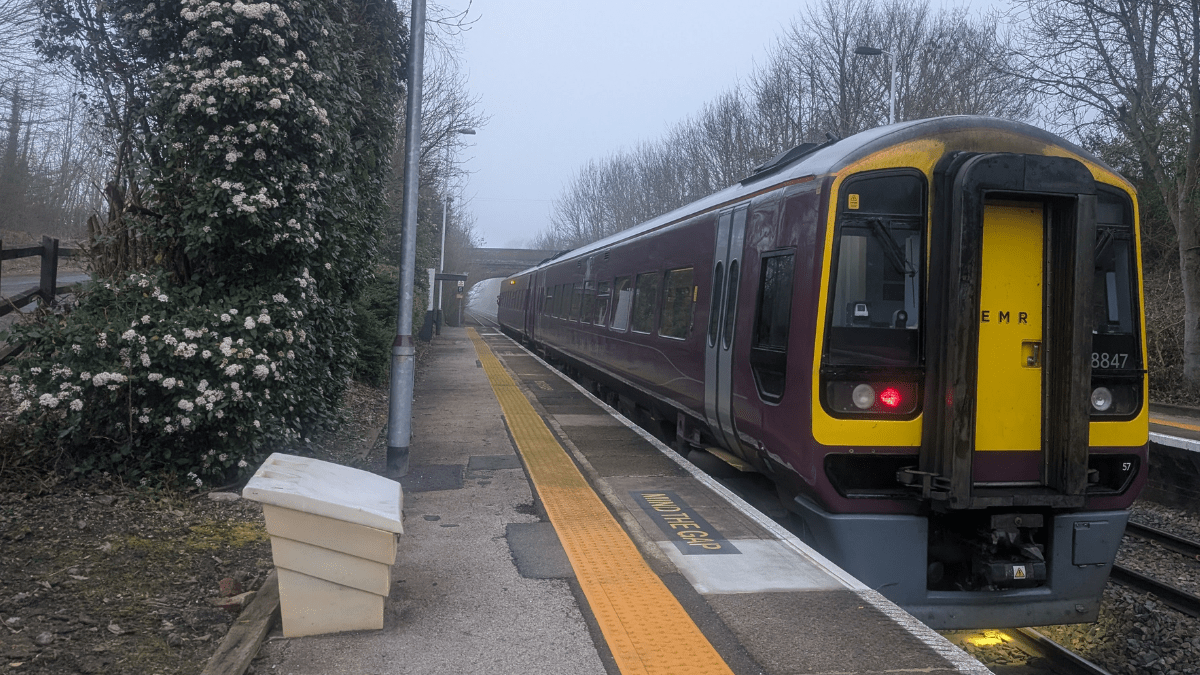
You might be wondering, “do I need a car to travel in the UK?” if you’re visiting the country and planning to see some sights outside of London.
I’m from the UK, and have spent a lot of time travelling around the country, both by car and train (and sometimes even by plane and coach). So, here’s my honest take on whether you need a car for UK travel, and how you can see the country using different forms of transport.
Do I need a car in the UK?
No, you don’t need a car, and can see a lot of the country without it – but you will be limited on where you can reach. The cities and larger towns are well connected by rail, but nature spots, like Dartmoor or the Lake District, have infrequent or non-existent connections.
Reasons you don’t need a car

Car rental and ownership can be expensive
Let’s start with the obvious! Car rental, petrol and insurance or car ownership (if you’re based in the UK), can be expensive.
I bought the cheapest car I could find in the UK for this reason! There are programmes like Carplus finance or car rental deals (I recommend using Skyscanner to find the best-priced rental!), but the costs can still creep up. If you aren’t using a car most days on your UK trip, I’d recommend avoiding them.
You don’t need one for major cities
If you are travelling just in London, Bristol, Manchester, Edinburgh or any other UK city, you don’t need a car. Increasing numbers of UK cities have introduced congestion charges and parking can be astronomical; so it can be a lot more economical and practical to take the train. I try to avoid driving in any major city if I can!
Regions are well-connected
I have a lot of gripes with our train network (see below!), but we do have one. Most towns will have a train station, which will be connected to the main city.
You can travel from Aberdeen in the north of Scotland to Plymouth in Devon on one continuous train journey (I’ve done it, it’s not comfortable but it’s possible!); aside from remote areas of the Scottish highlands, there’s no vast swathe of land that’s inaccessible by train, bus or coach.
Probably better for solo travellers
Due to all the costs I mentioned above, and for navigation/ stress reasons, I’d advise solo travellers to take public transport as much as possible. While driving here isn’t as stressful as other parts of the world, we can have a lot of traffic, and a journey that looks short on the map can take some time!
If there’s a public transport route available for a sensible price, I will usually do that instead of driving myself. I like the fact I can work or read on the move as well!
Where a Car Helps (or Is Necessary)
The cost of trains can add up
If you are going somewhere new every single day and/ or you’re a party of multiple people, you will likely find that trains and buses get too expensive.
You could buy an Interrail pass for the UK to combat some of these expenses – as a Brit, this isn’t something I have tried (as we aren’t allowed to for our home country). Here are some of my tips for saving money on UK trains.
Rural areas might have no rail routes and limited bus routes
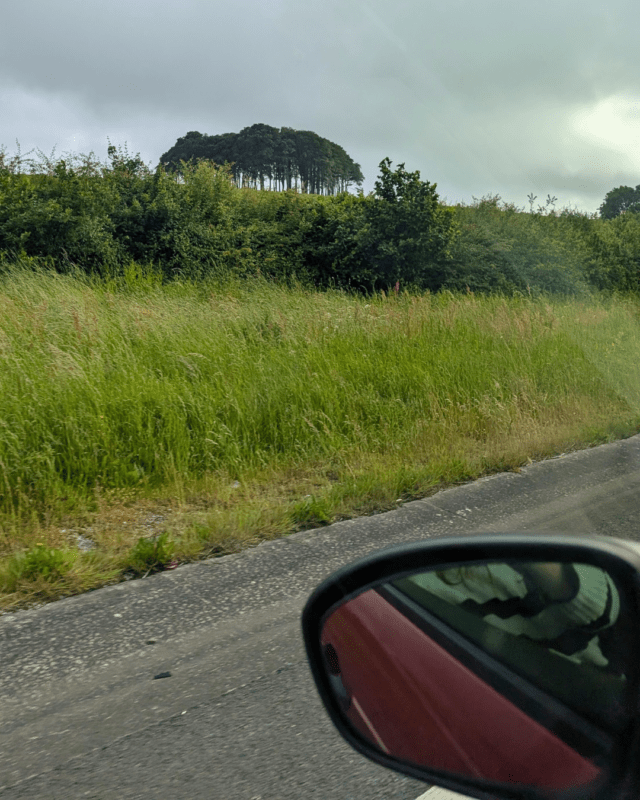
There are areas with no rail routes. I’ll use Devon, where I live, as an example; we have trains going to Exeter, Plymouth, Exmouth, Torbay, Totnes, Okehampton, Barnstaple and a few intermediary stops. If you want to reach the East Devon coast past Exmouth, Dartmoor or North Devon outside of Barnstaple, you’ll need to rely on the bus network.
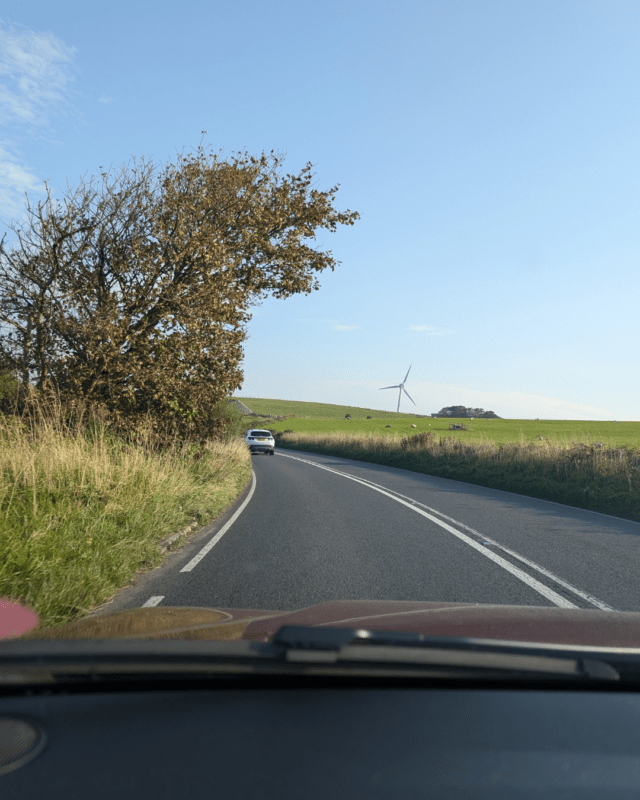
The problem with this is that some buses only run a few times a day, and not at all on other days! If you are exploring more rural regions like these parts of Devon, I’d say that a car is nearly necessary.
Our trains are unreliable!
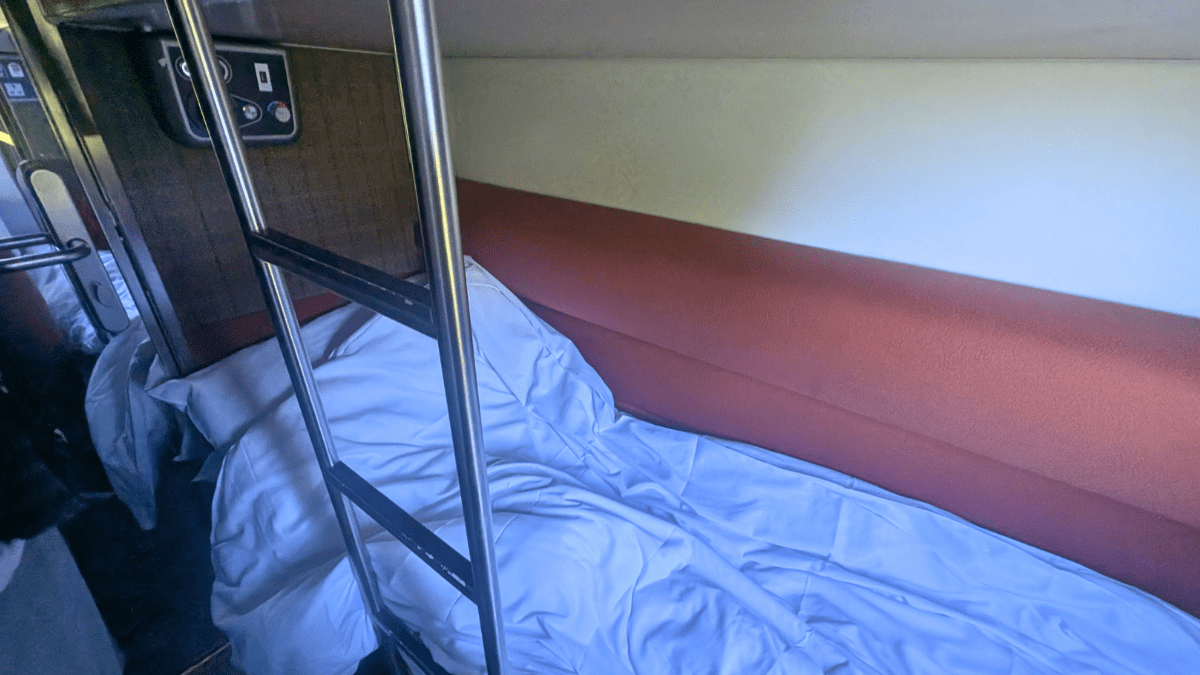
As much as I love travelling by train – and talk about it all the time – there’s no denying that they can be shocking, especially given that they are fairly extortinately priced too.
Delays are quite commonplace now, and I always factor it into my journey. So, if you are travelling around exclusively by train, don’t plan on everything running on time.
The good news is that if your train is 30+ minutes late (15+ for some providers), you can claim delay repay. This is a 25%, 50% or 100% refund on your ticket. To be honest, the train delays are so bad that I end up claiming delay repay on around half of my tickets these days!
Cars give you more flexibility
There’s no denying that having a car does mean you can have a more flexible trip. You can stop off at places en route to others and spend time exploring without having to worry about when the next transport is. If you want a more chill trip where you can go totally at your own pace, having a car works well!
It can be better for groups
If you’re travelling in a group, car hire can save you lots of money! Individual train tickets add up a lot, and splitting the driving is a lot more comfortable than navigating the roads solo.
How I travel around the UK
I travel around the UK in a mix of ways:
- Train: this is my preferred mode of transport. If there is a direct train link and the prices aren’t too high, it’s usually what I’ll opt for.
- Coach: on occasion, if the train prices are too much or if I want to leave a city late, I’ll take a coach.
- Drive: I’ll drive if it’s too expensive to take the train or if I’m visiting somewhere without public transport networks.
- Fly: I’ll only fly if I’m going up to Scotland (from South West England) and I don’t have time to take the train or drive. I did this recently, flying from Edinburgh to Exeter with LoganAir.
What to know about car-free travel in the UK
Here are some tips for travelling without a car in the UK:
Book as early as possible
I’d recommend booking train tickets as soon as you know you’re taking the journey (within three months). My friends always laugh at how far in advance I reserve them, but I’m the one laughing when I get the best deals!
Take food and a power bank
Not all trains in the UK have catering, and if it is it’s often just a trolley. I always take my own food – there’s more of a selection at a local Sainbury’s Local or a Co-op, and it’ll be cheaper!
Most UK trains have power outlets, but some of the older ones don’t (an example is the South Western Railway trains which connect Exeter to London via lots of small Somserset, Dorset and Wiltshire stations!). For this reason, I’d recommend packing a power bank.
Look at Railcards or passes
If you’re a UK resident, consider a Railcard – you can get an age related one if you’re not aged 31-60, or anyone can get a two together railcard or a regional railcard. Other railcards are available for disabled people, carers and vetrans.
As I mentioned earlier, a one country Interrail pass might be worth looking into if you’re not UK based.
Use a split ticketing feature
I’ll admit it, I always use Trainline for booking tickets, simply because I like having them all in one place. They do charge a small booking fee, but I also find their split ticketing feature to work best.
Split ticketing is when an app will automatically buy two or more tickets instead of one continuous ticket for your journey when it works out cheaper to do so. If the route would normally be on one train, you don’t need to change trains and usually you don’t need to change tickets; just show different tickets at different parts of your journey.
Check out National Rail’s days out
National Rail has a days out scheme that can save you a lot of money when travelling by trains to various attractions!
When you book with a valid train ticket, you can, for example, get 2 for 1 tickets to attractions like the Tower of London, Eden Project and more. Take a look at their offerings here.
FAQs about transport in the UK
Can you travel around the UK without a car?
Yes, you can, but it really depends on the destination! Cities and large towns are easily accessible by car, but you might struggle in national parks and nature spots.
Is UK public transport reliable?
I’m not sure if I’d call it reliable – there are delays on over 50% of trains that I take – but they do always get you to your destination eventually! UK trains do have a very good compensation scheme if trains are delayed and cancelled, so that’s something!
Do I need a car in the Scottish Highlands?
Yes, the Scottish Highlands is one area that isn’t that well connected compared to others in the country. I’d recommend renting a car here.
Is it cheaper to rent a car or take the train in the UK?
It really depends! Trains can be pricey, especially if you book them last minute, but car hire, petrol and parking fees can add up a lot.
