
Ask any Brit about UK prices, and they’ll mostly say the same thing. “Prices have gone up enormously – it’s so expensive to live here”.
But what about for travel? Is it still feasible to visit the UK and not spend thousands of pounds?
I’m from the UK – I grew up in London and now live in the West Country – and I spend a lot of time travelling around the country.
So, let’s take a look at UK prices in 2026, and what the real cost of travel is here at the moment.
Is the UK expensive for travel?
If you’re looking at it from a broad, global perspective, I’d say yes, the UK is expensive for travel.
It’s more than most of Europe, less than the Nordic countries. It’s around the same as Australia (cheaper for some things, more expensive for others) and New Zealand.
Australia and the Nordics (I don’t believe this is the same as New Zealand) have the advantage, however, of better salaries. A lot of UK locals are struggling at the moment with lower salaries causing more of a gap between what they need and what they earn!
Cost breakdown
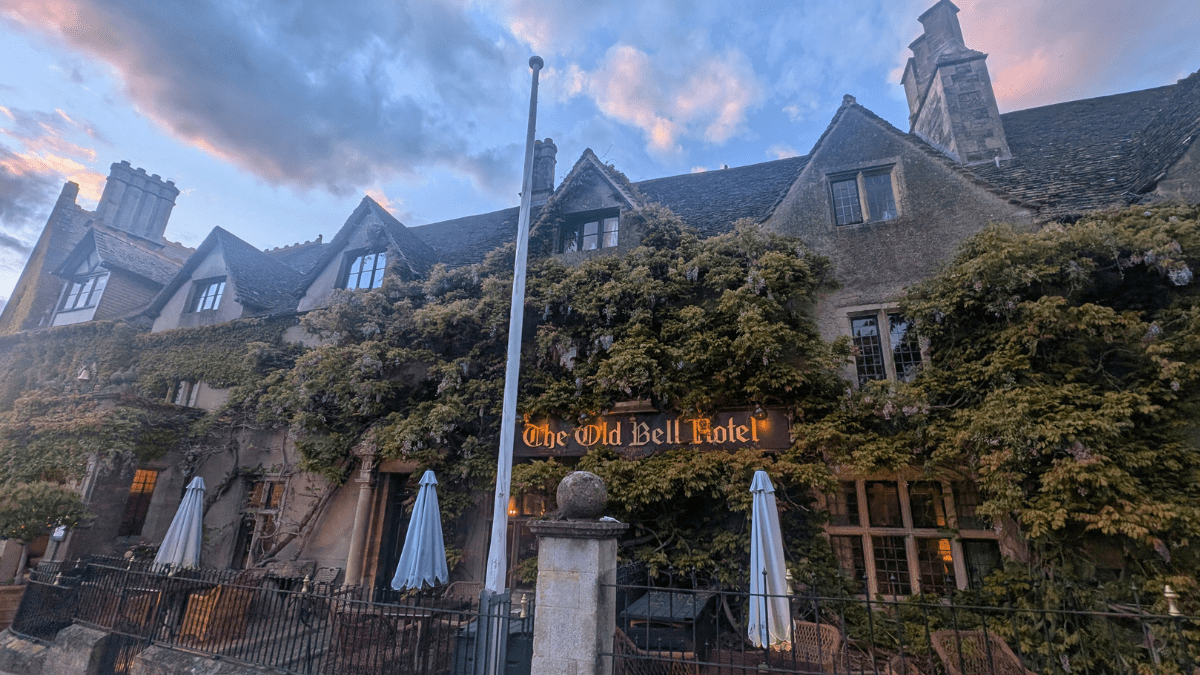
Here are some real numbers that I’ve paid for things in the UK over the last couple of months:
| Item | Cost |
| Casual dinner (pizza) | £16 |
| Glass of wine/ pint of beer | £7/ £6 |
| Soft drink at a pub | £2.90 |
| Hotel room (B&B/ pub with rooms) | £99 (we thought this was a very good deal) |
| Train from London to Edinburgh | £68 |
| Internal flight (Edinburgh to Exeter) | £130 |
| Coach ticket (Bristol to London) | £30 |
| Attraction in Cornwall (Eden Project) | £35.50 |
| Attraction in London (London Eye) | £39 |
Why the UK feels expensive in 2026

Over the last few years, inflation has caused prices to skyrocket in the UK. This is due to a variety of factors, including Brexit and the war in Ukraine.
Trains have been particularly hard-hit, but as some railways are being nationalised this does seem to be improving – rail fares like the train from London to Edinburgh have recently been going down. Hopefully this will have knock on effects for things like guided tours to Scotland!
Prices still vary around the country – for example, a pint in Newcastle might cost £5.50 whereas in London, it could be closer to £8 – but they have consistently gone up everywhere.
How to save money while travelling the UK
So, how do you save money in the UK? Here are some of my tips as a local who travels around a lot!
Get a Railcard if you can

Railcards are excellent for train travel in the UK. You can get an age related one if you’re under 30 or over 60, a regional one or a two together Railcard if you travel with somebody frequently. My partner and I have a two together Railcard as we’re both over 30.
If you aren’t from the UK, look at an Interrail pass covering the country for when you’re here; you might find it cheaper than buying individual tickets!
Eat and drink at wetherspoons
Someone once asked me “I want to live like locals do, where should I go?” and my very first answer was “Wetherspoons”.
I love to hate ‘spoons, but there’s no denying its draws. Cheap food and drink, pretty much the same menu everywhere (with lots of variety for dietary preferences) and sticky floors (not so much of a draw!)…
It’s essentially a pub chain known for its low prices, and locals visit a LOT. If you need to eat out when you’re in the UK but want to do it as cheap as possible, spoons is the answer.
Never buy water
NO UK local EVER pays for water – please don’t if you’re visiting and want to save money!
If tap water is not drinkable, there will be a very obvious sign. If not, then drink away!
I’d recommend bringing a water bottle and filling up as you go. There are often fountains in major cities and I’ve never been turned away from a restaurant or cafe when asking for a bottle refill. Water from toilet taps is absolutely fine, although sometimes it just runs warm.
Usually in a restaurant, waitstaff will bring tap water when asked for water, but I would specify just in case. If you are dining in a restaurant, they are legally required to offer free drinking water.
Eat meal deals
In all my travels, I’ve never come across anything like the British meal deal.
For a long time, it cost a mere £3 for a sandwich, snack and a drink. Nowadays, you can get salads and lunch boxes too, along with a wider array of snacks and drinks – but it costs from around £4 up to about £8, depending on the shop and selection.
Sainsbury’s and Tesco have my favourite meal deal selection.
Take coaches and buses
At the moment, £2 buses are back – it costs just £2 for a one-way trip on a local bus.
Coaches are inter-city transport, and are the cheapest way to get between destinations. The drawback is they can take a lot longer! I do actually tend to take the train, but I book early to secure better rates.
Spend minimal time in London
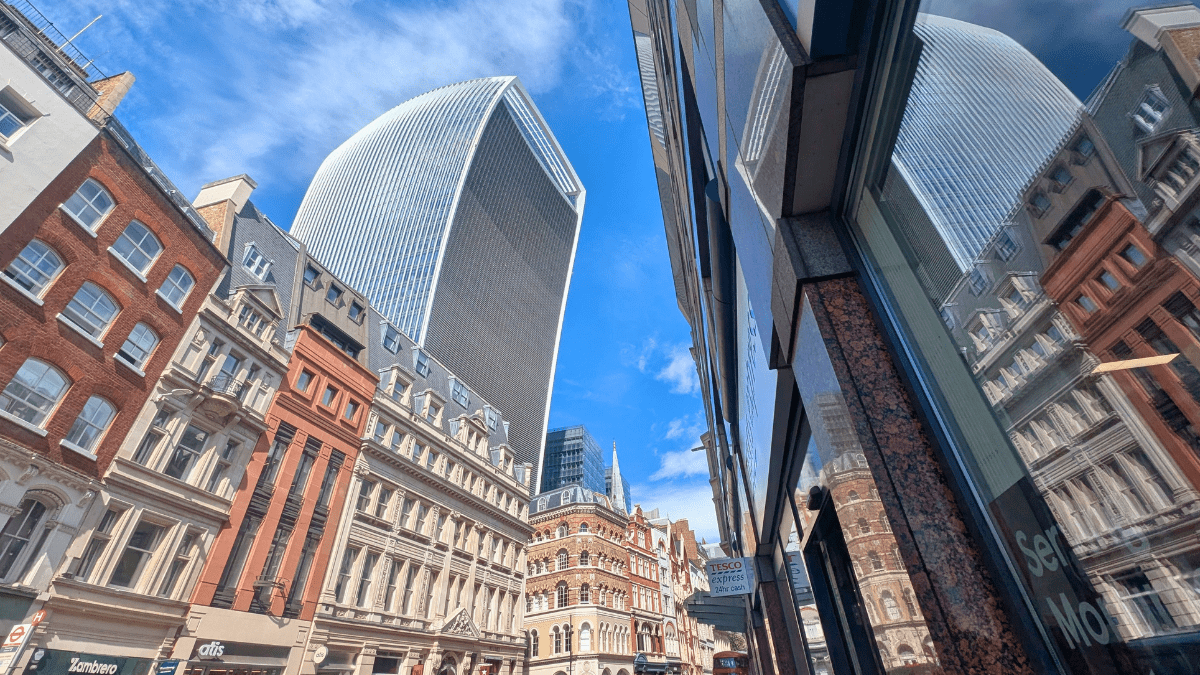
London is obviously well worth seeing and experiencing, but I wouldn’t recommend basing there for a long time.
Do 2-3 days and then head out to see other (cheaper!) places in the UK! Bristol, Bath, Devon, Cornwall, Cotswolds, Peak District, Lake District… none of these are particularly cheap, but prices are lower than London!
Travel during shoulder season
Everything, from hotels in Edinburgh to Ireland tours are cheaper outside of peak season. I’d highly recommend visiting the coast in spring or autumn and avoiding London the week before Christmas! If you want festive vibes, the lights go up in early November.
Camp in the summer
Camping in Britain is underrated! Our summers are getting drier and warmer, and we have a range of incredible beauty spots around the country.
One of my favourites is Stithians Lake in Cornwall, which is a campsite that leads down to a lake where you can go paddleboarding.
Another incredible one is in Mortehoe, Devon, where the campsite is right on a cliff, with sea views!
While camping is a very different holiday to staying at a resort, it’s a fraction of the price – often around £20 for a pitch for a night.
Shop at Lidl/ Aldi and cook yourself
And, if you’re camping or at a self catering hotel, shop at Lidl/ Aldi and cook for yourself!
Lidl and Aldi are our cheapest supermarkets by far. I actually rarely go out to eat in the UK, and save my money for travel by cooking at home. So, do as the locals do if you want to save!
Find free museums
One of the best money saving tips for the UK is that a lot of our museums are actually free.
The Natural History Museum, the V&A, the Imperial War Museum and the Science Museum in London are all completely free of charge, and outside the capital the National Railway Museum in York and the Royal Albert Memorial Museum in Exeter don’t cost a penny – along with many others!
Other free things to do include hikes and exploring city centres on foot – if you base your trip around these, you’ll save a fortune!
